
Neuro-affirming therapy
Therapy that starts from the idea that your brain isn't broken
I'm a BABCP-accredited CBT therapist, and I work in a neuro-affirming way with autistic people, people with ADHD, and people who are both (often called AuDHD). Many of the people I meet have spent years being told, directly or indirectly, that they need to try harder, be less sensitive or just act more "normal". Therapy with me doesn't start from that place.
What does neuro-affirming mean?
Neuro-affirming therapy goes beyond making therapy accessible. Accessibility matters, and I work hard on it, but being neuro-affirming also means questioning the assumption that there is one "right" way for a brain to work.
I try to look at the difficulties you're facing in the context of living as a neurodivergent person in a world designed for neurotypical people. Often the question isn't "what's wrong with you?" but "what's happening between you and an environment that doesn't fit?"
How I work
I believe you. Many neurodivergent people have been disbelieved or dismissed, or passed between services. Whatever your experience is, I take it seriously.
I'm curious about my own assumptions. I try to keep an open mind about what neurodivergence means for you. It isn't automatically a superpower and it isn't automatically a disability. For most people the reality is more nuanced, and I'll follow your lead on that.
I make therapy fit you.
Attention: Focus can come and go. I won't treat drifting attention as a failure, and I'll respond without shame. I can share key points in different formats, such as written summaries or recordings, so you're not relying on remembering everything.
Movement: Fidgeting, pacing, doodling and sensory tools are all welcome. I'll say so explicitly, because many people have learned to sit still and mask.
Communication: I aim to be clear and direct. I'll check whether metaphors and abstract ideas actually make sense to you, and I'll ask you whether the work feels helpful rather than assume. If small talk isn't useful, we can skip it.
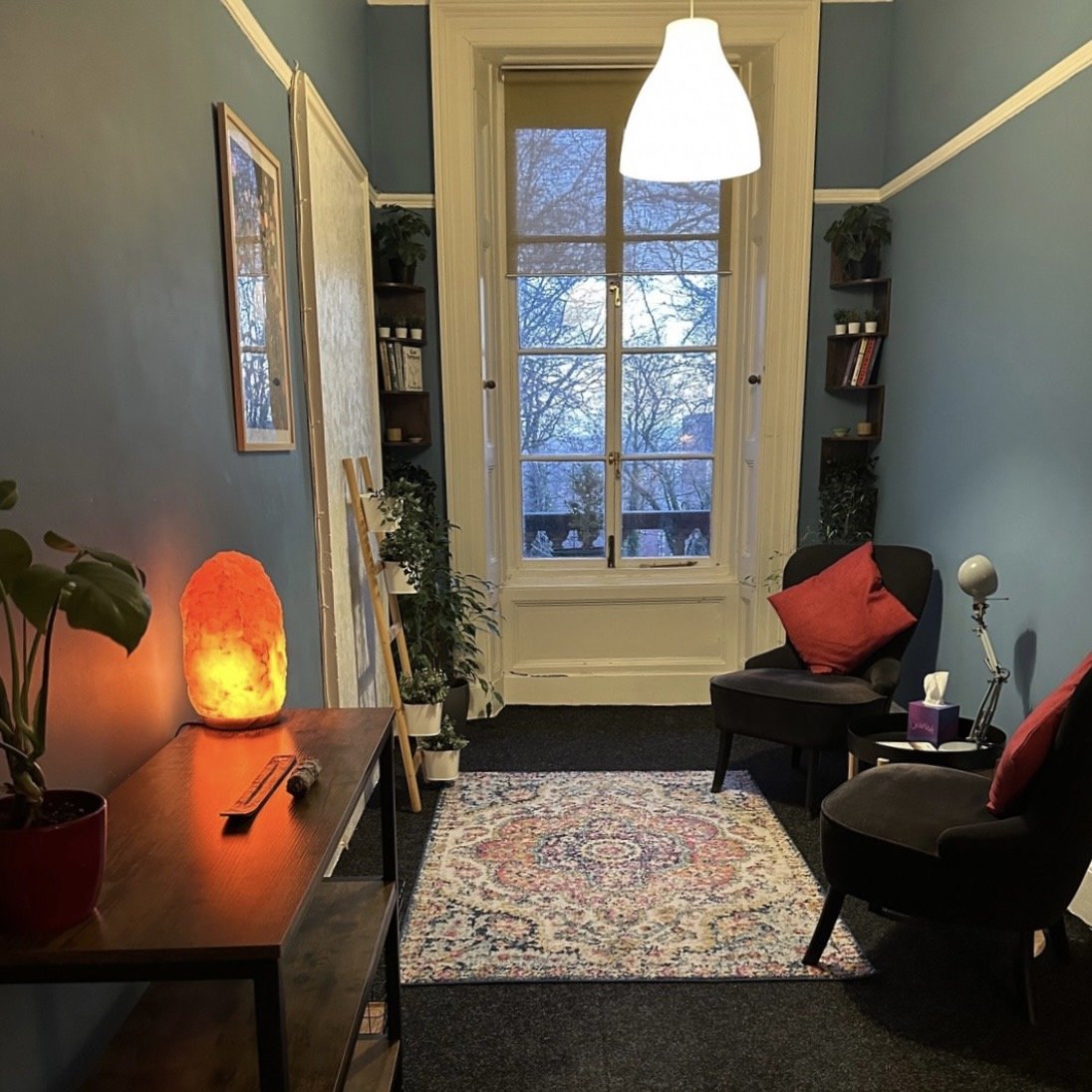
Sensory needs: The environment matters from the moment you arrive. We can think together about what helps you feel comfortable, whether that's lighting, sound, smell or something else.
Emotions: If it's hard to put feelings into words, that's very common (it's sometimes called alexithymia). We can work on recognising and naming emotions at your own pace, and I won't expect you to show feelings in a particular way.
I talk about masking, without pressure. Many neurodivergent people hide or suppress their natural traits to fit in, and it can be exhausting. We can explore what masking has cost you and what it has protected you from. Any decision about when to mask and when not to is yours.
What we might work on together
People come to me for lots of reasons. Some common themes are:
Self-acceptance and self-compassion
A sense of belonging
Understanding and managing emotions
Turning strategies into things that work in real, busy daily life
Boom-and-bust patterns, burnout and chronic stress
Social energy and recovering after being around people
Building assertiveness and self-advocacy skills
Coming to terms with a late diagnosis, including the grief that can come with it
Anxiety, low mood, trauma and low self-esteem alongside neurodivergence
Neurodivergent conditions rarely come alone, so I'll also ask about what else might be going on, such as dyslexia, dyspraxia, dyscalculia or tics.
Late diagnosis, or no diagnosis
You don't need a formal diagnosis to have therapy with me. If you're questioning whether you might be neurodivergent, or you're waiting for an assessment, we can work with what you're experiencing now. Many people find that understanding themselves differently helps them make choices based on their values rather than on what they think they "should" be able to do. For some, grief comes with that, and I'm happy to make space for it.
Past experiences matter
Years of being misunderstood, not believed or told you're "too much" can leave their mark. I'll always consider the role of shame and trauma in what you're facing. You don't have to resolve every painful experience before you can recognise and accept who you are, and we'll go at a pace that feels safe.
Getting started
If you're not sure whether therapy with me will be right for you, you're welcome to get in touch first. Tell me what would make contacting or attending sessions easier, whether that's email rather than phone or knowing what to expect in advance, and I'll do my best to accommodate you.
Get In Touch
If you’re interested in book in a free 15-minute consultation with myself to explore your goals for therapy, neuro-affirmin adaptations and to explore our therapeutic alliance then send me a message using the following form or send me an email